Biweekly pay does not add a paycheck - it adds two months that carry three
Published 2026-11-09 · updated 2026-11-09 · figures for tax year 2026
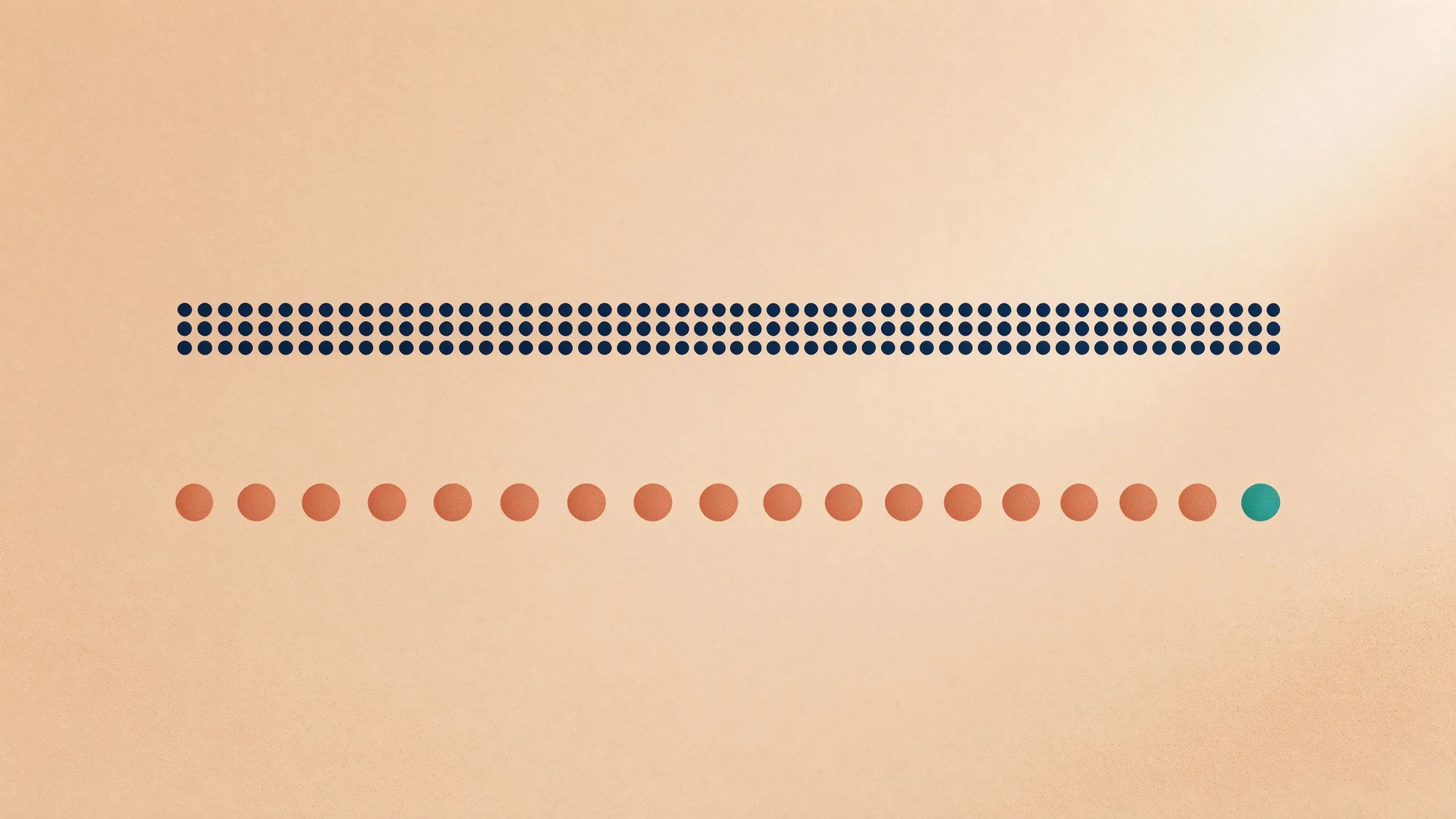
"Paid biweekly means one extra paycheck a year." That sentence is repeated at almost every job offer and it is wrong in a way that matters for budgeting: the annual total does not change at all. What changes is the size of each payment and which months carry three of them. Both are arithmetic, not policy, and both are measurable from one salary.
One annual figure, four payment rhythms
Take $75,000 gross, single, California, nothing deferred. The year nets $57,952. Every scheme below divides the same year — none of them adds or removes a dollar of tax:
| Pay frequency | Payments per year | Take-home per payment | Federal tax withheld per payment |
|---|---|---|---|
| Monthly | 12 | $4,829.37 | $639.17 |
| Semi-monthly | 24 | $2,414.68 | $319.58 |
| Biweekly | 26 | $2,228.94 | $295.00 |
| Weekly | 52 | $1,114.47 | $147.50 |
Multiply any row back out and you get $57,952: $2,228.94 × 26 and $4,829.37 × 12 are the same money. The biweekly advantage is not a bigger year. It is a smaller payment arriving more often.
Where the "extra paycheck" actually comes from
26 payments spread across 12 months is 2.00 payments a month, and since a month cannot hold 2.17 payments, the calendar resolves it the only way it can: ten months carry two payments of $2,228.94, and 2 months carry three — $6,686.81. Those two months are the entire basis of the claim. They are not extra pay; they are the 0.17 that was left out of every other month, arriving late.
The number that actually changes your budget
Withholding per payment, not per year. The same $7,670 of annual federal tax is split 26 ways instead of 12: $295.00 against $639.17. In a three-payment month the withholding triples along with the pay, so the month is bigger in gross but identical in proportion. That is the single most common budgeting error with biweekly pay: treating period size as income and period count as noise.
The withholding table is annual, the payment is not
Payroll annualises each payment to find the tax, then divides it back. On a 26-payment schedule that means the algorithm multiplies one check by 26 — and in the two months where a third check lands, it does not know that the year is now over-covered. The correction happens either in the final period or on the return. The effective annual rate stays 22.7% either way; only the timing of the over- and under-withholding moves.
What to compare when choosing between two offers
Compare $57,952, not the per-payment figure and not the number of payments. A monthly offer of $4,829.37 and a biweekly offer of $2,228.94 are the same job at the same pay. If a recruiter quotes the biweekly check next to a monthly check without annualising, the biweekly one looks about -53.8% smaller — and the monthly one looks about the same amount larger. Both impressions are artifacts of the schedule.
Figures use the 2026 federal table with the standard deduction, single filing status, and California. Per-payment amounts are the exact annual figure divided by the period count, which is what payroll does before rounding.
Put a number on it
The same mechanisms on an actual salary. Every figure here is computed by the engine that serves the calculators, so it matches the page it opens — nothing is copied.